This year’s Insight Astronomy Photographer of the Year competition received a record 2700 entries by astrophotographers from 59 countries around the world. These astonishing pictures reveal fresh perspectives on astrophotography favourites alongside some of the great astronomical events of the last year.
We will showcase the winning images from all 11 categories over the next few days, but if you wish to see them all together on display, the Royal Observatory Greenwich has an exhibition open 18 September 2015 — 26 June 2016. Hours: 10.00–17.00, entry is free.
Our eighth nomination from the prestigious Insight Astronomy Photographer of the Year competition, an annual celebration of the most beautiful and spectacular visions of the cosmos by astrophotographers worldwide. Now in its seventh year, the 2015 competition received 2700 spectacular entries from over 60 countries and the winners will be announced 17 September.
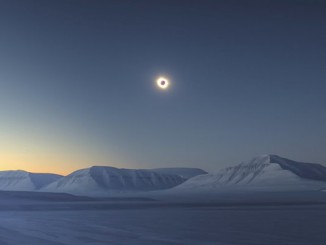
“Eclipse Totality over Sassendalen” is the overall winning picture, making Luc Jamet of France the Insight Astronomy Photographer of the Year 2015. The prestigious annual competition received 2700 spectacular entries from 59 countries this year. The winning images from the 11 categories are showcased at the Royal Observatory Greenwich in an exhibition open 18 September 2015 — 26 June 2016
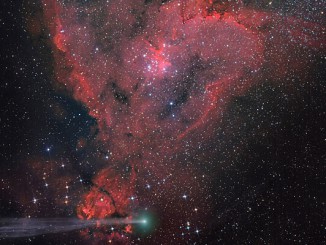
A stunning juxtaposition of an ethereal solar system body, long-period comet C/2014 E2 Jacques, and the vast, heart-shaped emission nebula IC 1805, some 7,500 light-years away in the constellation Cassiopeia — winning image of the Planets, Comets & Asteroids category in the Insight Astronomy Photographer of the Year competition 2015.