-
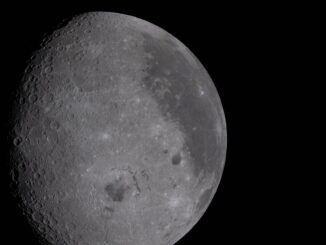 Today’s impact of a spent Falcon 9 rocket stage on the Moon may sound dramatic, but it is neither the first human-made object to strike our natural satellite nor the largest.
 -
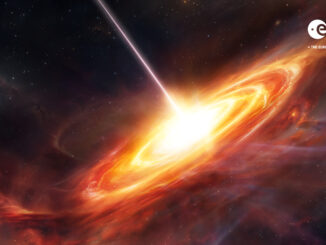 One of the biggest mysteries in modern astronomy is how the Universe managed to grow enormous black holes so quickly.
 -
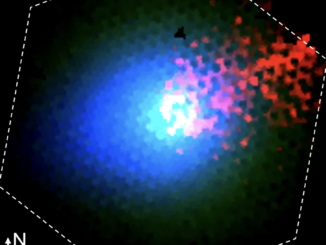
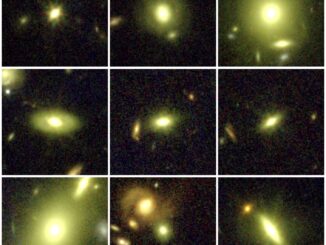
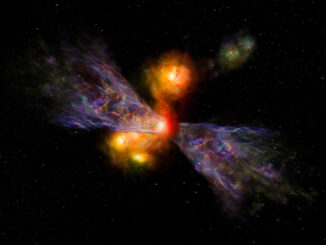 A powerful wind in the early Universe may explain why some massive galaxies lived fast and died young by stopping forming stars far sooner than expected.
 -
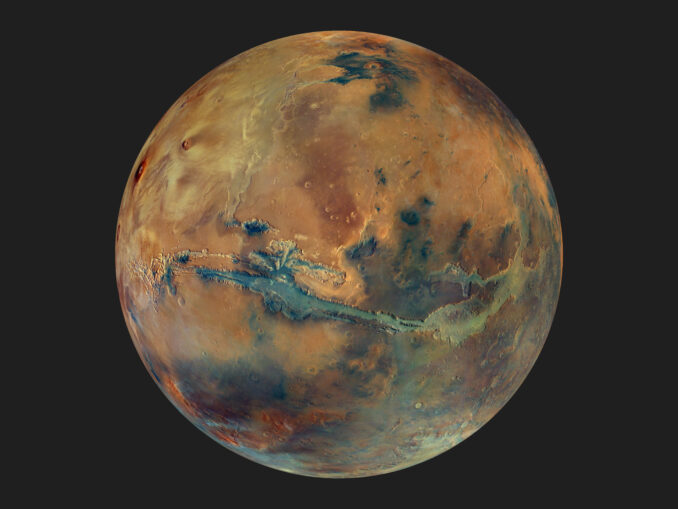
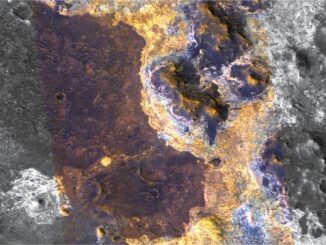 New orbital mapping suggests Rosalind Franklin’s Oxia Planum landing site is part of a clay-rich region hundreds of kilometres wide, raising the possibility that it records a much larger watery episode in Mars’s early history.
 -
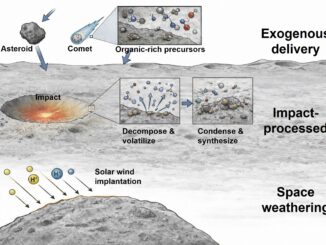 The Moon may preserve a record of the raw ingredients that helped life begin on Earth. New analysis of lunar samples returned by China’s Chang’e missions has revealed a diverse suite of organic compounds embedded within the soil.
-
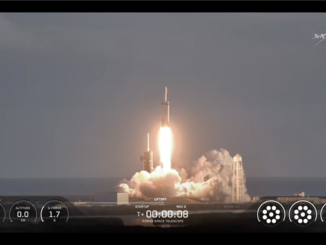 NASA’s Nancy Grace Roman Space Telescope has begun its journey into space, starting a mission that will survey the Universe on an unprecedented scale in search of clues to dark energy, dark matter and worlds beyond our Solar System.
 -

-

-