2 July 2026
Astronomy Now
  • Home
  • The Magazine
    • About
    • Current Issue
    • Subscribe
    • Renew Subscription
  • AstroFest 2026
  • News
  • Observing
    • UK Sky Chart
    • Almanac
    • Scope Calc
    • DSLR Calc
  • Reviews
    • Equipment
    • Book Reviews
  • Spaceflight Now
  • Shop
  • Contact Us
    • Subscriptions
    • Your Views
    • Ask Astronomy Now
    • Editorial
    • Advertising
    • AstroListings
Latest News
  • [ 10 June 2026 ] Caught in the act: the wind that could kill a galaxy News
  • [ 4 June 2026 ] Europe’s Mars rover may land in the remains of a vast ancient water system News
  • [ 14 April 2026 ] Moon dust preserves record of life’s building blocks News
  • [ 11 April 2026 ] Dark matter may come in multiple forms, new model suggests News
  • [ 2 April 2026 ] Witness to history: Artemis II, lunar exploration and hope News
  • Facebook
  • Twitter
  • LinkedIn

Eclipse safety tips video

19 March 2015 Astronomy Now

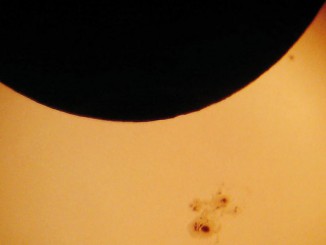
Astronomy Now’s Greg Smye-Rumsby offers tips on how to safely view the partial solar eclipse of 20 March 2015.

Read our complete guide to observing the eclipse and the dos and don’ts for eclipse safety.

  • Eclipse
  • observing
  • Partial Eclipse
  • partial solar eclipse
  • solar eclipse

Related Articles

Observing

Messier 57: Lyra’s heavenly ring

11 July 2022 Mark Armstrong

Messier 57 is the famous Ring Nebula in Lyra, a showpiece planetary nebula that’s arguably the finest and most observed in its class.

Eclipse

Highlights of 9 March total solar eclipse from Micronesia

9 March 2016 Astronomy Now

Although thick cloud in parts of Indonesia spoiled the view for some along the path of totality, tens of millions more were greeted to spectacular views of the 9 March total solar eclipse. NASA, in partnership with the Exploratorium Science Center, hosted live coverage of the event from the coral island of Woleai in the Pacific Ocean.

Observing

Why do eclipses happen?

9 June 2021 Keith Cooper

Solar eclipses are relatively rare; they happen when the Moon moves directly and precisely in front of the Sun. Why are they so infrequent, and why do solar eclipses always come in pairs with lunar eclipses?

Latest Issue

Astronomy Now Newsletter

Get the wonders of the Universe delivered to your inbox.
* indicates required
Which elements of Astronomy interest you?

News Headlines

  • Caught in the act: the wind that could kill a galaxy
    10 June 2026
  • Europe’s Mars rover may land in the remains of a vast ancient water system
    4 June 2026
  • Moon dust preserves record of life’s building blocks
    14 April 2026
  • Dark matter may come in multiple forms, new model suggests
    11 April 2026
  • Witness to history: Artemis II, lunar exploration and hope
    2 April 2026

© 2026 Nebula Press Ltd

Astronomy Now