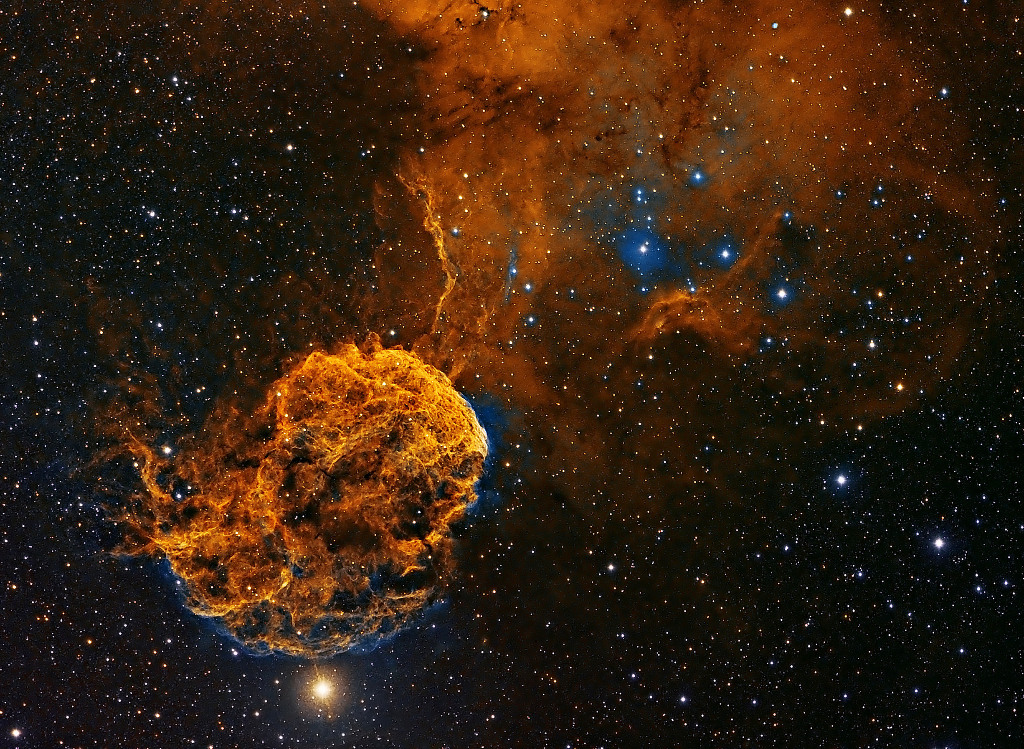
Over the coming weeks we will feature, in no particular order, each of the final 16 selected images and winners will be announced by Royal Museums Greenwich on 17 September. The winning images are to be showcased at the Royal Observatory Greenwich in an exhibition opening 18 September.
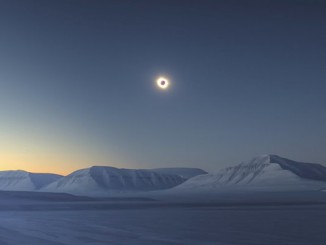
“Eclipse Totality over Sassendalen” is the overall winning picture, making Luc Jamet of France the Insight Astronomy Photographer of the Year 2015. The prestigious annual competition received 2700 spectacular entries from 59 countries this year. The winning images from the 11 categories are showcased at the Royal Observatory Greenwich in an exhibition open 18 September 2015 — 26 June 2016
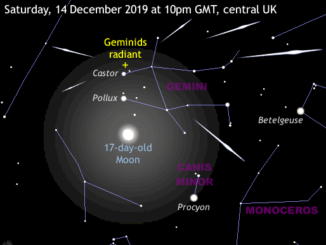
The December Geminid meteor shower is generally regarded as the richest and most reliable of the major annual shooting star displays. This year the predicted peak occurs between 2h and 23h UT (2am to 11pm GMT) on Saturday the 14th, but its bright and slow-moving shooting stars will have to contend with the glare of a nearby Moon just two days after full.
Omega (ω) Centauri, or NGC 5139, is the brightest and largest globular cluster. This showpiece object of the southern sky is captured here in all its glory by astrophotographer Ignacio Diaz Bobillo — winning image of the Stars & Nebulae category in the Insight Astronomy Photographer of the Year competition 2015.