The prize-winning images combine art and science, passion and dedication. They remind us that the more we learn about our universe, the more beautiful it becomes.
Over the coming weeks we will feature each of the winners in the following 11 categories:
Aurorae
Galaxies
Our Moon
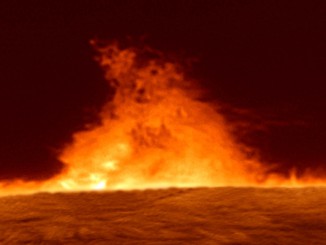
Our Sun
People & Space
Planets, Comets & Asteroids
Robotic Scope
Sir Patrick Moore Prize for Best Newcomer
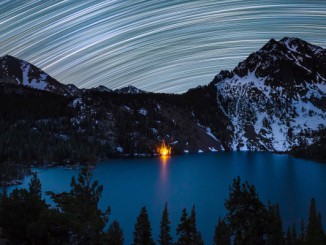
Skyscapes
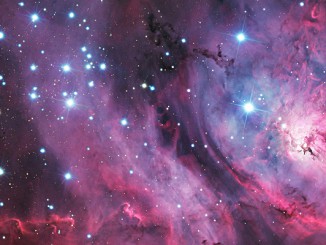
Stars & Nebulae
Young Competition
that were announced by Royal Museums Greenwich on 17 September.
The winning images are showcased at the Royal Observatory Greenwich in an exhibition opening today, 18 September.
Nomination number five from the prestigious Insight Astronomy Photographer of the Year competition, an annual celebration of the most beautiful and spectacular visions of the cosmos by astrophotographers worldwide. Now in its seventh year, the 2015 competition received 2700 spectacular entries from over 60 countries and the winners will be announced 17 September.
Our sixth nomination from the prestigious Insight Astronomy Photographer of the Year competition, an annual celebration of the most beautiful and spectacular visions of the cosmos by astrophotographers worldwide. Now in its seventh year, the 2015 competition received 2700 spectacular entries from over 60 countries and the winners will be announced 17 September.
Nomination number nine from the prestigious Insight Astronomy Photographer of the Year competition, an annual celebration of the most beautiful and spectacular visions of the cosmos by astrophotographers worldwide. The 2015 competition received 2700 spectacular entries from over 60 countries and the winners will be announced 17 September.

![What the photographer says: "This is a picture of the 2015 solar eclipse as seen from Svalbard. Totality had begun 16 seconds before this picture was taken, about 100 metres above Sassendalen, Spitsbergen. The photo is an HDR [High Dynamic Range] composition made from three takes. We can see clearly the lunar shadow’s edge in the sky. The bright spot in the upper left of the photo is Venus." Image credit: © Luc Jamet / Royal Museums Greenwich.](http://astronomynow.com/wp-content/uploads/2015/09/Eclipse_Totality_over_Sassendalen_by_Luc_Jamet_1300x867.jpg)