
6 June 2026
Astronomy Now
  • Home
  • The Magazine
    • About
    • Current Issue
    • Subscribe
    • Renew Subscription
  • AstroFest 2026
  • News
  • Observing
    • UK Sky Chart
    • Almanac
    • Scope Calc
    • DSLR Calc
  • Reviews
    • Equipment
    • Book Reviews
  • Spaceflight Now
  • Shop
  • Contact Us
    • Subscriptions
    • Your Views
    • Ask Astronomy Now
    • Editorial
    • Advertising
    • AstroListings
Latest News
  • [ 4 June 2026 ] Europe’s Mars rover may land in the remains of a vast ancient water system News
  • [ 14 April 2026 ] Moon dust preserves record of life’s building blocks News
  • [ 11 April 2026 ] Dark matter may come in multiple forms, new model suggests News
  • [ 2 April 2026 ] Witness to history: Artemis II, lunar exploration and hope News
  • [ 25 March 2026 ] Artificial Intelligence uncovers more than 100 new worlds in NASA data News
  • Facebook
  • Twitter
  • LinkedIn

FRB 110523

News

‘Fast Radio Burst’ sheds new light on origin of these extreme events

3 December 2015 Astronomy Now

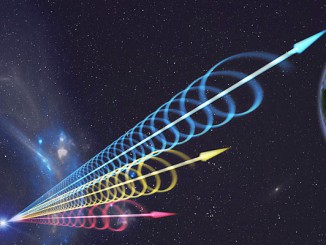
Fast radio bursts (FRBs), brief yet brilliant eruptions of cosmic radio waves, have baffled astronomers since they were first reported nearly a decade ago. Though they appear to come from the distant universe, none of these enigmatic events has revealed more than the slimmest details about how and where it formed, until now.

Latest Issue

Astronomy Now Newsletter

Join our mailing list.
* indicates required
Which elements of Astronomy interest you?

News Headlines

  • Europe’s Mars rover may land in the remains of a vast ancient water system
    4 June 2026
  • Moon dust preserves record of life’s building blocks
    14 April 2026
  • Dark matter may come in multiple forms, new model suggests
    11 April 2026
  • Witness to history: Artemis II, lunar exploration and hope
    2 April 2026
  • Artificial Intelligence uncovers more than 100 new worlds in NASA data
    25 March 2026

© 2026 Nebula Press Ltd

Astronomy Now