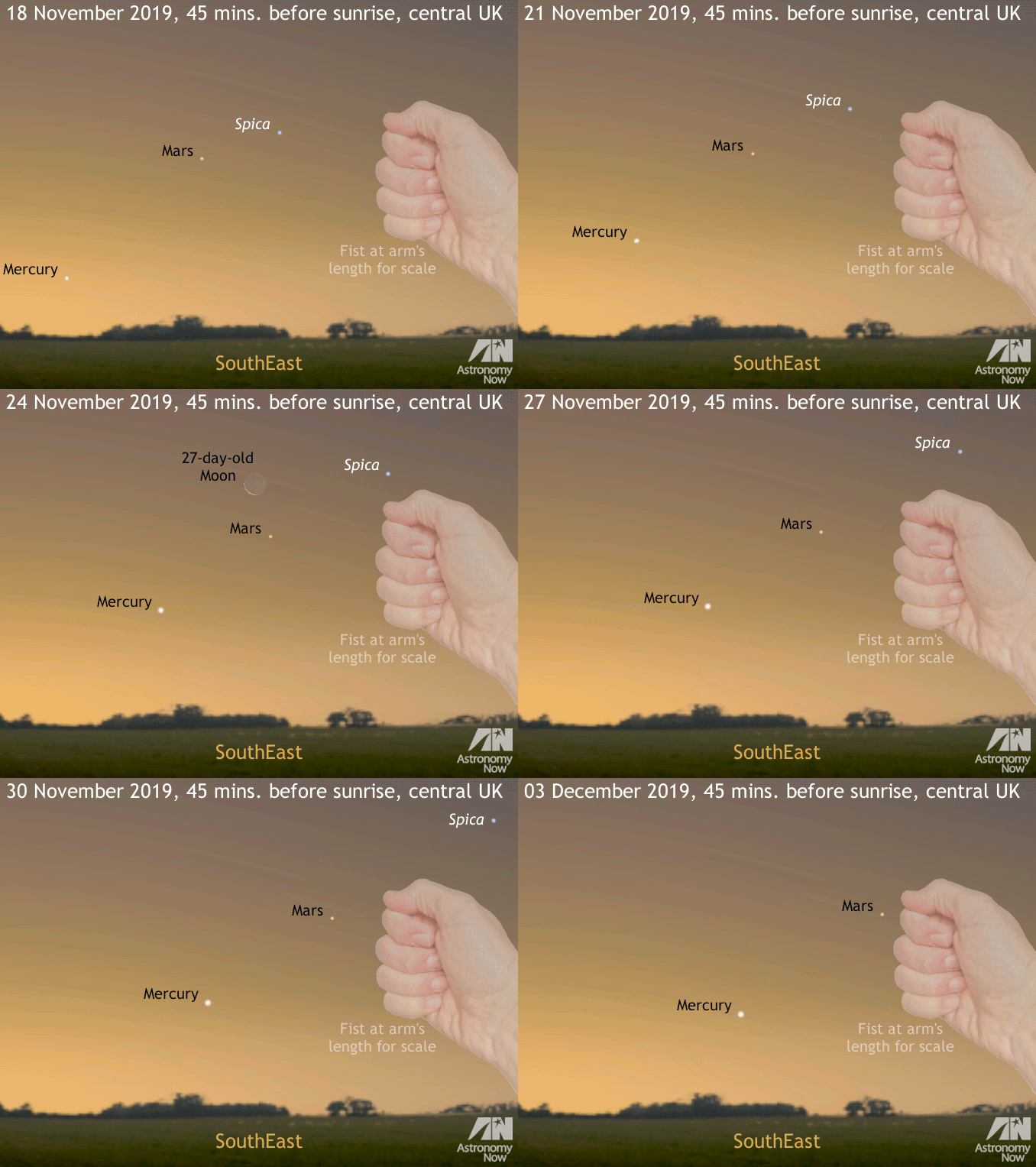
Innermost planet Mercury puts on its best morning display of the year for Northern Hemisphere observers from late November to early December. Skywatchers in the British Isles should find a location offering an unobstructed view of the southeast horizon about 45 minutes before sunrise to get the best views. This looping animation shows the changing configuration of Mercury, Mars and Virgo’s brightest star, Spica, from 18 November through 3 December at dawn. Note the span of a fist at arm’s length (about 10°) for scale, but the Moon’s apparent size on 24 and 25 November has been enlarged for clarity. AN animation by Ade Ashford.Mercury’s transit of the Sun on 11 November is still fresh in the memory, but it doesn’t take long for the innermost planet’s orbital motion to carry it far enough west of the Sun to be visible low above the southeastern horizon in dawn twilight. Mercury attains its greatest westerly elongation of 20 degrees on the UK morning of 28 November. In fact, for Northern Hemisphere observers, the remainder of the month into early December offers Mercury’s best morning viewing prospects for the entire year.
Any opportunity to get a glimpse of this elusive and fast-moving planet is well worth getting up a little earlier for, particularly when – as now – you get a chance to see Mars nearby at the same time. As with any observation made in the eastern sky during dawn twilight, timing is everything: you need to view late enough that Mercury gets a chance to rise high enough above the horizon murk, but not so late that impending sunrise makes the sky too bright to see it. (Never look anywhere near the Sun with an unfiltered optical instrument after it has risen.)
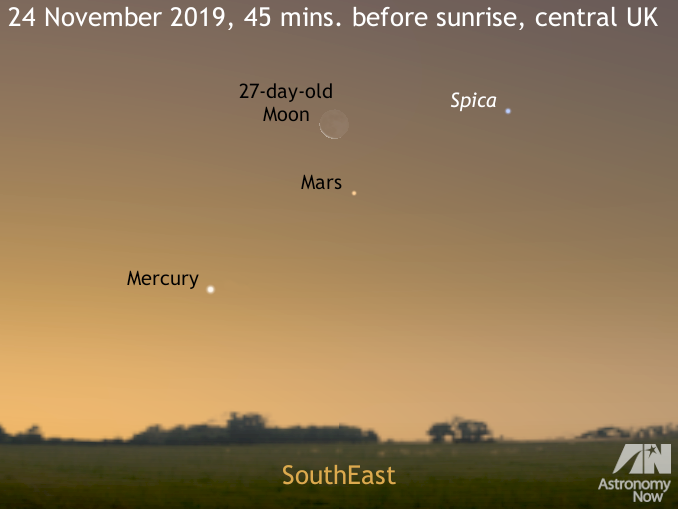
Observers in the British Isles need to find a location that offers an unobscured view of the southeast horizon about three-quarters of an hour before sunrise between now and the first week of December. Our interactive online Almanac gives you the time of sunrise for your nearest town or city, so just subtract 45 minutes from that.The slim crescent of the 27-day-old waning Moon lies slightly less than 4 degrees above magnitude +1.7 Mars at UK dawn on Sunday, 24 November 2019, hence the pair will fit in the same field of view of 10× and lower magnification binoculars. On this morning, the Red Planet sits midway between magnitude -0.2 Mercury and first-magnitude star Spica in Virgo. Note that the Moon’s apparent size has been enlarged for clarity in this illustration. AN graphic by Ade Ashford.Mercury is located in the constellation of Libra for the period illustrated in the animation at the top of the page. The planet lies about 9 degrees (almost the span of a fist held at arm’s length) above the southeast horizon at the optimal viewing time between 23 November and the beginning of December. The Red Planet sits midway between Mercury and the first-magnitude star Spica, the brightest in the constellation of Virgo, at UK dawn on 24 November.
Magnitude +1.7 Mars remains in Virgo until the morning of 1 December when it crosses the constellation border to join Mercury in Libra. Mercury brightens more than fourfold from magnitude +1 to -0.6 during the 18 November to 3 December observing window. If clear, don’t miss the binocular highlights of 24 and 25 November at dawn when the old waning crescent Moon lies 4° above Mars and 3° to the lower left of Mercury, respectively.
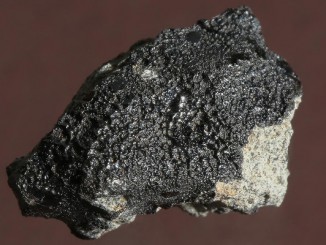
An analysis of a Martian meteorite named Tissint, seen to fall in the Moroccan desert on 18th July 2011, revealed small fissures filled with organic carbon that is possibly biological in origin, according to an international research team.
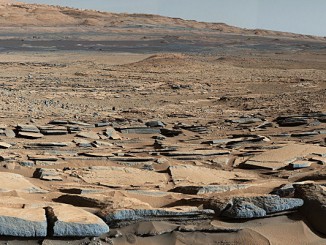
A new study has confirmed that Mars was once, billions of years ago, capable of storing water in lakes over an extended period of time. Using data from NASA’s Curiosity rover, the team behind Mars Science Laboratory has determined that, long ago, water helped deposit sediment into Gale Crater, where the rover landed on 6 August 2012.
Observers with a clear sky to the south as darkness falls on Sunday 7 May can see the 12-day-old waxing gibbous Moon and planet Jupiter separated by little more than twice the width of a full Moon. For telescope owners in the UK, this is a night where you can also see Jupiter’s Great Red Spot and the planet’s four large Galilean moons.