
19 February 2026
Astronomy Now
  • Home
  • The Magazine
    • About
    • Current Issue
    • Subscribe
    • Renew Subscription
  • AstroFest 2026
  • News
  • Observing
    • UK Sky Chart
    • Almanac
    • Scope Calc
    • DSLR Calc
  • Reviews
    • Equipment
    • Book Reviews
  • Spaceflight Now
  • Shop
  • Contact Us
    • Subscriptions
    • Your Views
    • Ask Astronomy Now
    • Editorial
    • Advertising
    • AstroListings
Latest News
  • [ 26 January 2026 ] Dr Allan Chapman (1946-2026) News
  • [ 16 January 2026 ] Potentially bright ‘sungrazing’ comet discovered News
  • [ 17 December 2025 ] Thank you from the editor News
  • [ 25 October 2025 ] Hubble revisits a cosmic yardstick News
  • [ 21 October 2025 ] Europe’s planet hunting spacecraft complete and ready for final testing News
  • Facebook
  • Twitter
  • LinkedIn

Imke de Pater

News

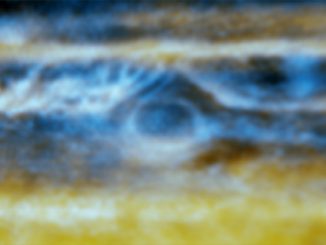
VLA radio map reveals what lies deep below Jupiter’s visible clouds

2 June 2016 Astronomy Now

Observations with the National Science Foundation’s Very Large Array (VLA) have given astronomers an unprecedented look into the atmosphere of Jupiter. The scientists used the VLA to study the dynamics of Jupiter’s atmosphere from the visible cloud surfaces down to about 60 miles (100 kilometres) below the clouds.
News

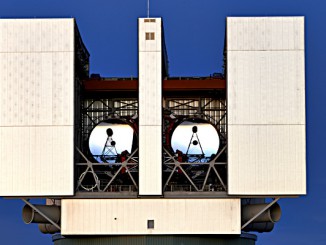
Lava lake of Io’s volcano Loki viewed with Large Binocular Telescope

30 April 2015 Astronomy Now

With the first detailed observations through imaging interferometry of a lava lake on Io, Jupiter’s innermost Galilean moon, the Large Binocular Telescope Observatory places itself as the forerunner of the next generation of extremely large telescopes.

Astronomy Now NewsAlert

* indicates required
Which elements of Astronomy interest you?

News Headlines

  • Dr Allan Chapman (1946-2026)
    26 January 2026
  • Potentially bright ‘sungrazing’ comet discovered
    16 January 2026
  • Thank you from the editor
    17 December 2025
  • Hubble revisits a cosmic yardstick
    25 October 2025
  • Europe’s planet hunting spacecraft complete and ready for final testing
    21 October 2025

© 2019 Pole Star Publications Limited

Astronomy Now