by Neil Norman
A potentially large member of the Kreutz family comets is speeding its way to a perihelion encounter during the first week of April this year. The object was discovered on 13 January 2026. Although not fully confirmed yet, if it is a Kreutz family comet, it will be an unprecedented discovery.
A Kreutz family comet is a member of a group of ‘sungrazing’ comets, whose orbits carry them to within a few solar radii of the Sun’s surface. They are thought to be fragments of a single giant comet that broke apart centuries ago during a close solar encounter. Each fragment now follows a similar, extremely elongated orbit, returning to the inner Solar System every few hundred years.
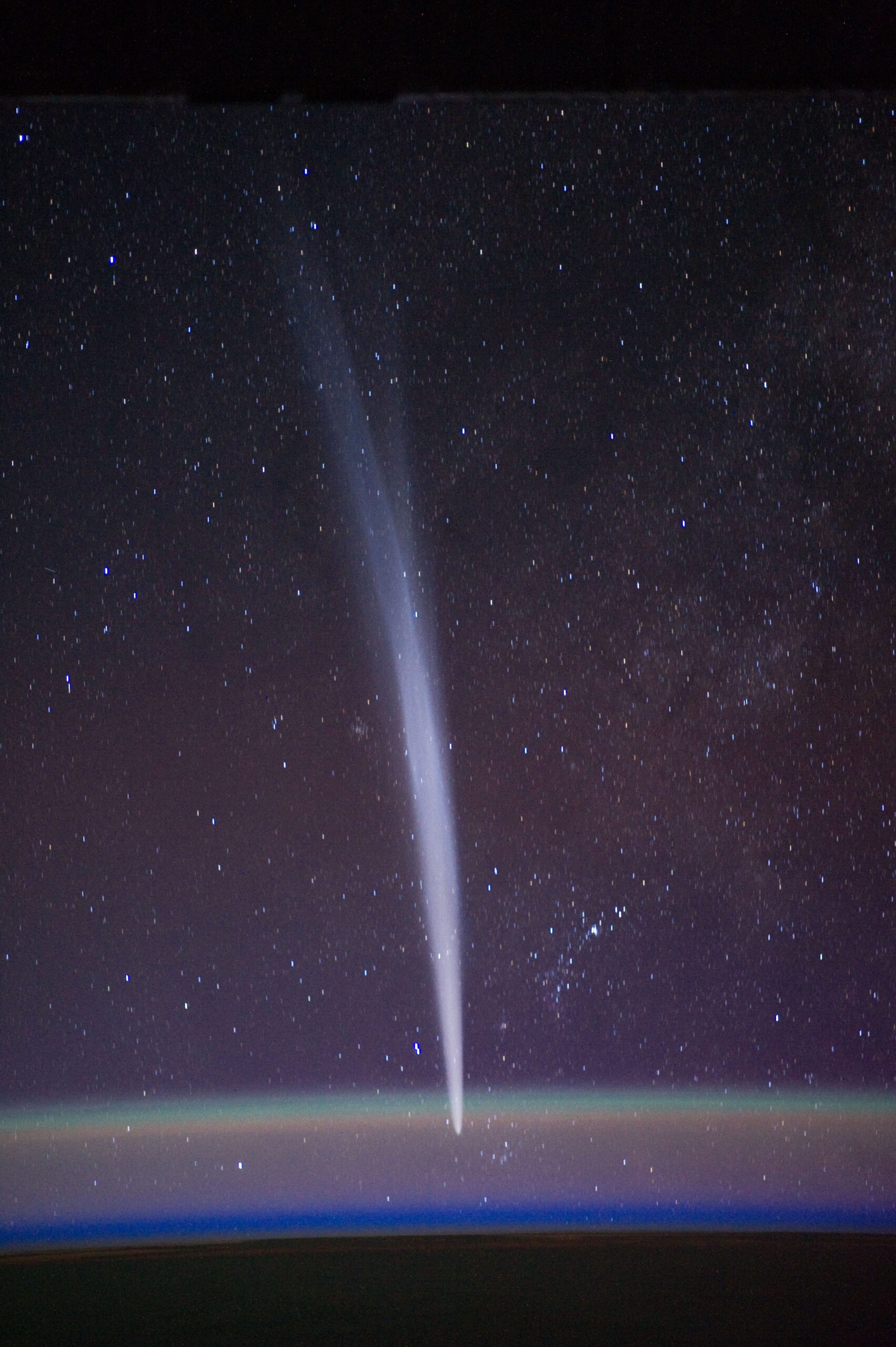
Astronomers have been waiting a long time for such an object. The closest of recent times was C/2011 W3 (Lovejoy) which became a splendid spectacle for southern hemisphere observers and would later disintegrate post-perihelion leaving the impression of a “headless” comet as it faded. The previous Kreutz member of note occurred in 1965 with the famous C/1965 S1 (Ikeya-Seki) blazing in the sky at magnitude -10. Lovejoy at its peak attained a magnitude of -1 for comparison.
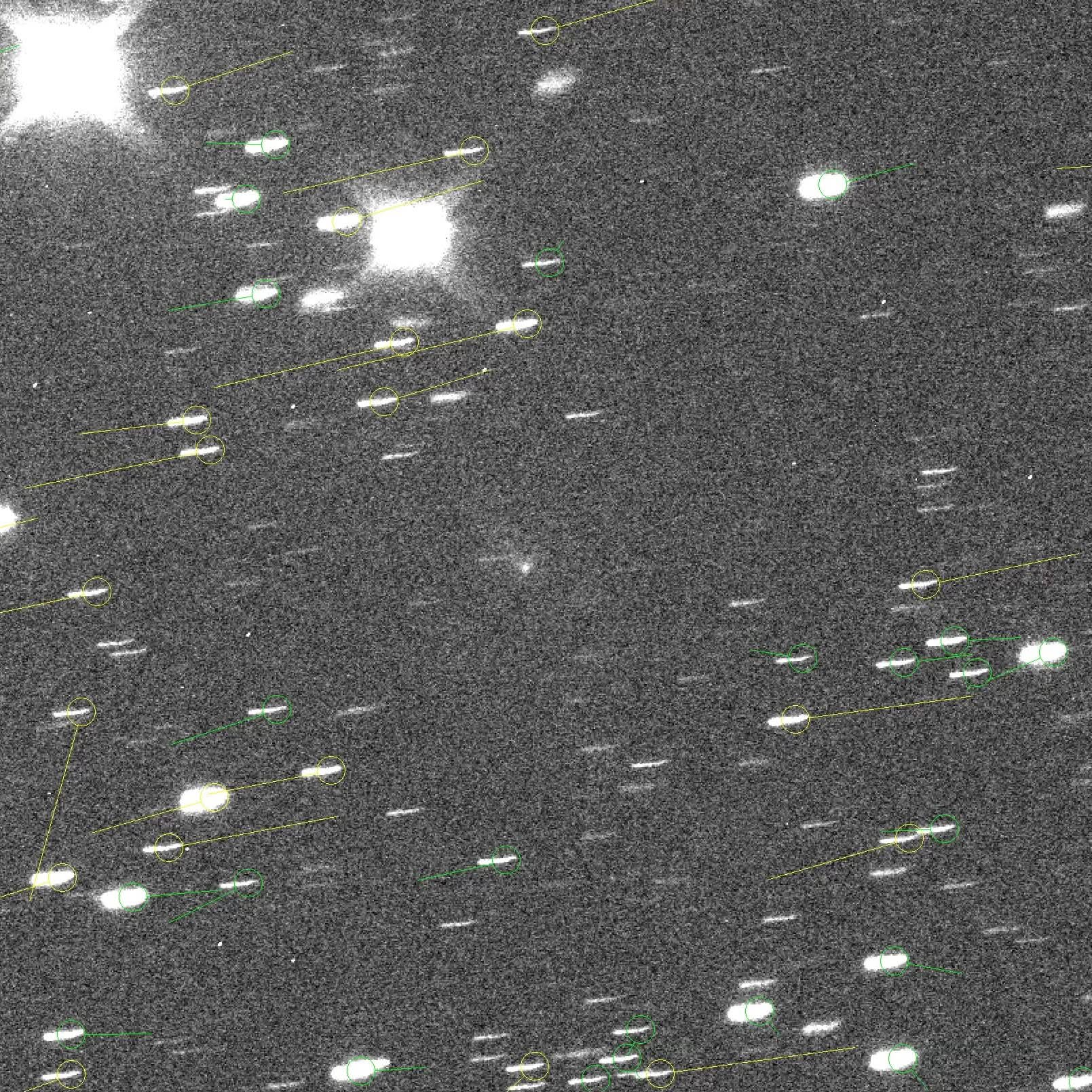
The new comet is listed on the Minor Planet Center’s ‘possible comet’ confirmation page. It is registered as 6AC4721 and will be given a formal designation once it is fully confirmed as a comet. Current images show a diffuse coma and small tail, so it is expected that it will be confirmed soon and that the designation will likely become C/2026 A1.
Initial orbital simulations show that it is highly inclined from the plane of the Solar System, at an angle of 144°. This is typical for Kreutz family members and its location in the constellation Caelum, the chisel, in the southern skies also indicates an origin towards Sirius, the known aphelion point for this family of comets.
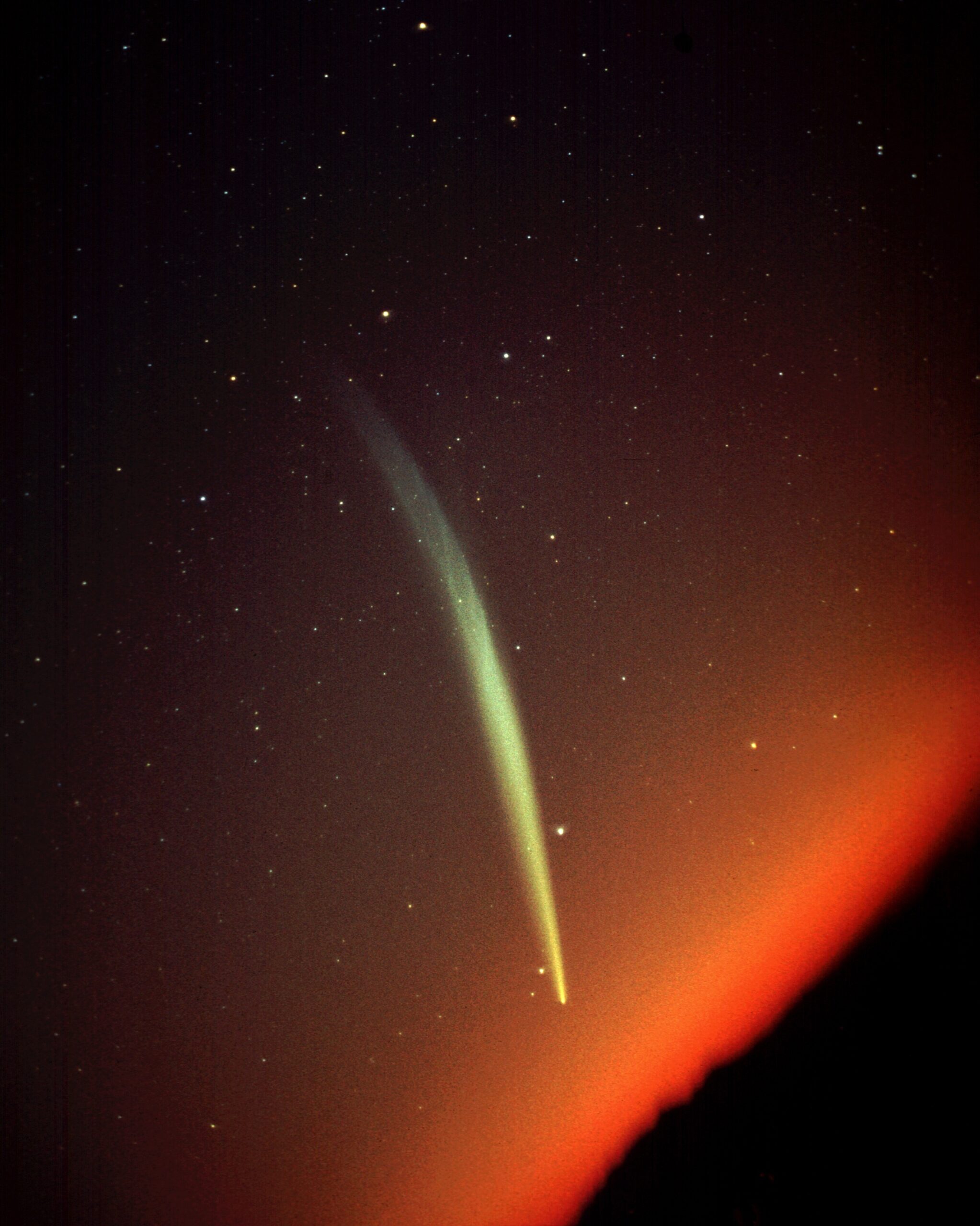
Most excitingly, its current heliocentric distance is 2AU from the Sun. A Kreutz comet has never been discovered this far from the Sun before and this indicates its future potential. To be bright enough to be seen, the object must be large and could therefore brighten significantly in the weeks to come.
So-called ‘pre-covery images’ (on which the comet has been found with the benefit of hindsight) dating back to December 2025 show its brightness to be around magnitude +20, at which it remains presently. At its closest to the Sun on 5 April it will be just 0.021 AU from the Sun with an elongation of just 0.5° (the width of the full Moon) but it could become visible in a daytime sky as did Ikeya-Seki.
We are certainly in for an interesting and potentially eventful ride with this. Astronomy Now will keep you fully up to date so that you can keep a close eye on it over the next few weeks.
Neil Norman runs the Facebook group CometWatch.