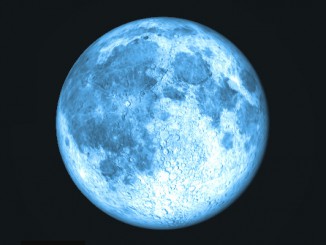
Observing



The science team of NASA’s New Horizons mission has produced an updated global map of dwarf planet Pluto that includes all resolved images of the surface acquired 7-14 July 2015, up to 400 metres/pixel resolution. Many additional images are expected in autumn 2015 and these will be used to complete the global map.
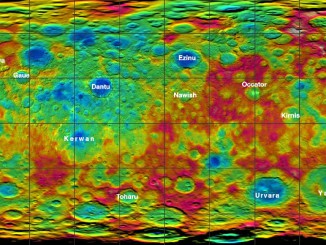
Colourful new maps of Ceres, based on data from NASA’s Dawn spacecraft, showcase a diverse topography, with height differences between crater bottoms and mountain peaks as great as 9 miles (15 kilometres). Some of these craters and other features now have official names, inspired by spirits and deities relating to agriculture from a variety of cultures.
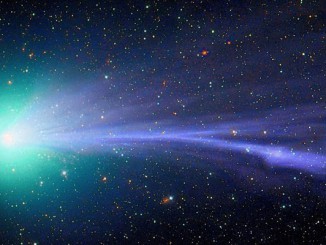
Our second nomination from the prestigious Insight Astronomy Photographer of the Year competition, an annual celebration of the most beautiful and spectacular visions of the cosmos by astrophotographers worldwide. Now in its seventh year, the 2015 competition received 2700 spectacular entries from over 60 countries and the winners will be announced 17 September.
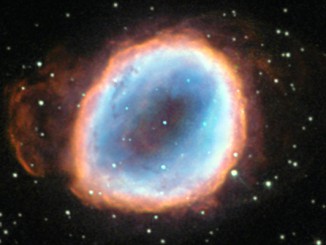
A dying star’s final moments are captured in this image of planetary nebula NGC 6565 in Sagittarius from the NASA/ESA Hubble Space Telescope. The death throes of this star may only last mere moments on a cosmological timescale, but this star’s demise is still quite lengthy by our standards, lasting tens of thousands of years.
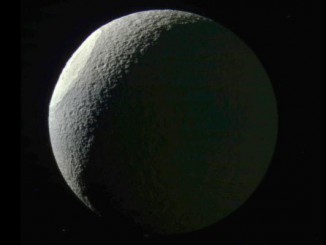
In this NASA/ESA Cassini mission image of Saturn’s 660-mile-wide moon Tethys, the giant impact basin Odysseus stands out brightly from the rest of the illuminated icy crescent. Some 280 miles across, Odysseus is one of the largest impact craters on Saturn’s icy moons, and may have significantly altered the geologic history of Tethys.
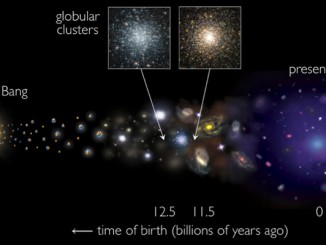
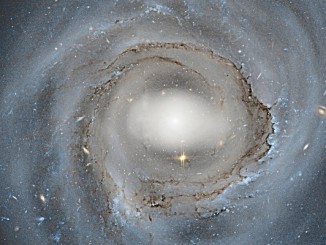
Astronomers have long known that powerful cosmic winds can sometimes blow through galaxies, sweeping out interstellar material and stopping future star formation. A Yale University analysis of one such event in a nearby galaxy provides an unprecedented look at the process, offering a clearer snapshot of how it happens.
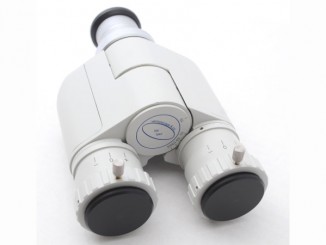
Microscopists enjoyed the advantages of binocular vision long before someone thought to apply this principle to telescopes. Using both eyes, the brain is able to interpolate both fields, resulting in a gain in contrast and a consequently improved perception of detail. Steve Ringwood appraises a very stylish model from Venonscope aimed at the top end of the twin eyepiece market.
© 2019 Pole Star Publications Limited