Picture This

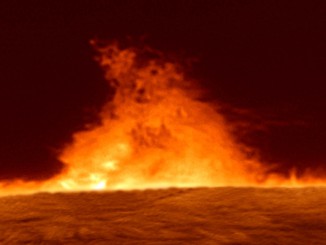
“Solar Prominence” by Gary Palmer

Nomination number five from the prestigious Insight Astronomy Photographer of the Year competition, an annual celebration of the most beautiful and spectacular visions of the cosmos by astrophotographers worldwide. Now in its seventh year, the 2015 competition received 2700 spectacular entries from over 60 countries and the winners will be announced 17 September.
Picture This

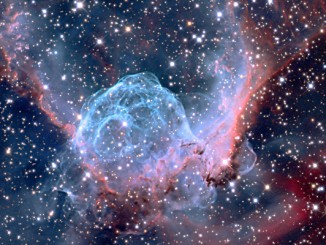
“Thor’s Helmet” by Adam Block

Our fourth nomination from the prestigious Insight Astronomy Photographer of the Year competition, an annual celebration of the most beautiful and spectacular visions of the cosmos by astrophotographers worldwide. Now in its seventh year, the 2015 competition received 2700 spectacular entries from over 60 countries and the winners will be announced 17 September.
Observing

See the International Space Station from the UK

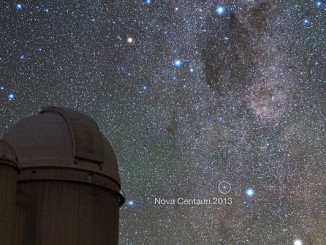
Next to the Moon and Venus, the International Space Station (ISS) can be the third brightest object in the nighttime sky. During the first ten days of August, the ISS is well placed for viewing before midnight for observers in the British Isles. We show you how, when and where to see it.

Picture This

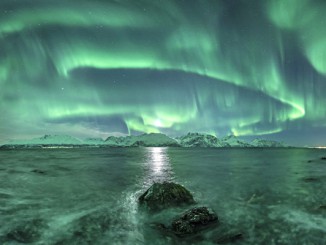
“Aurora Panorama 3” by Jan R. Olsen

Our third nomination from the prestigious Insight Astronomy Photographer of the Year competition, an annual celebration of the most beautiful and spectacular visions of the cosmos by astrophotographers worldwide. Now in its seventh year, the 2015 competition received 2700 spectacular entries from over 60 countries and the winners will be announced 17 September.
Picture This

New Hubble view of the Lagoon Nebula

This new NASA/ESA Hubble Space Telescope image shows the Lagoon Nebula (Messier 8) an object with a deceptively tranquil name. The region is filled with intense winds from hot stars, churning funnels of gas, and energetic star formation, all embedded within an intricate haze of gas and pitch-dark dust.

News

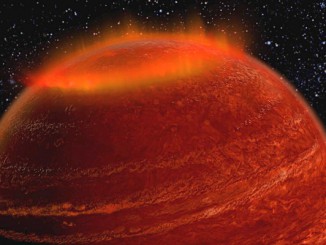
“Failed stars” host powerful auroral displays

Brown dwarfs are relatively cool, dim objects that are too massive to be planets, yet they are too small to sustain hydrogen fusion reactions. By observing a brown dwarf 20 light-years away, researchers have found another feature that makes these so-called failed stars more like supersized planets — they host powerful aurorae near their magnetic poles.

News

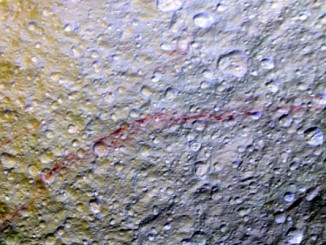
Unusual red arcs discovered on icy Saturnian moon

Like graffiti sprayed by an unknown artist, unexplained narrow, arc-shaped, reddish streaks are visible on the surface of Saturn’s icy moon Tethys in new, enhanced-colour images from NASA’s Cassini spacecraft. The red arcs are among the most unusual colour features on Saturn’s moons to be revealed by Cassini’s cameras.