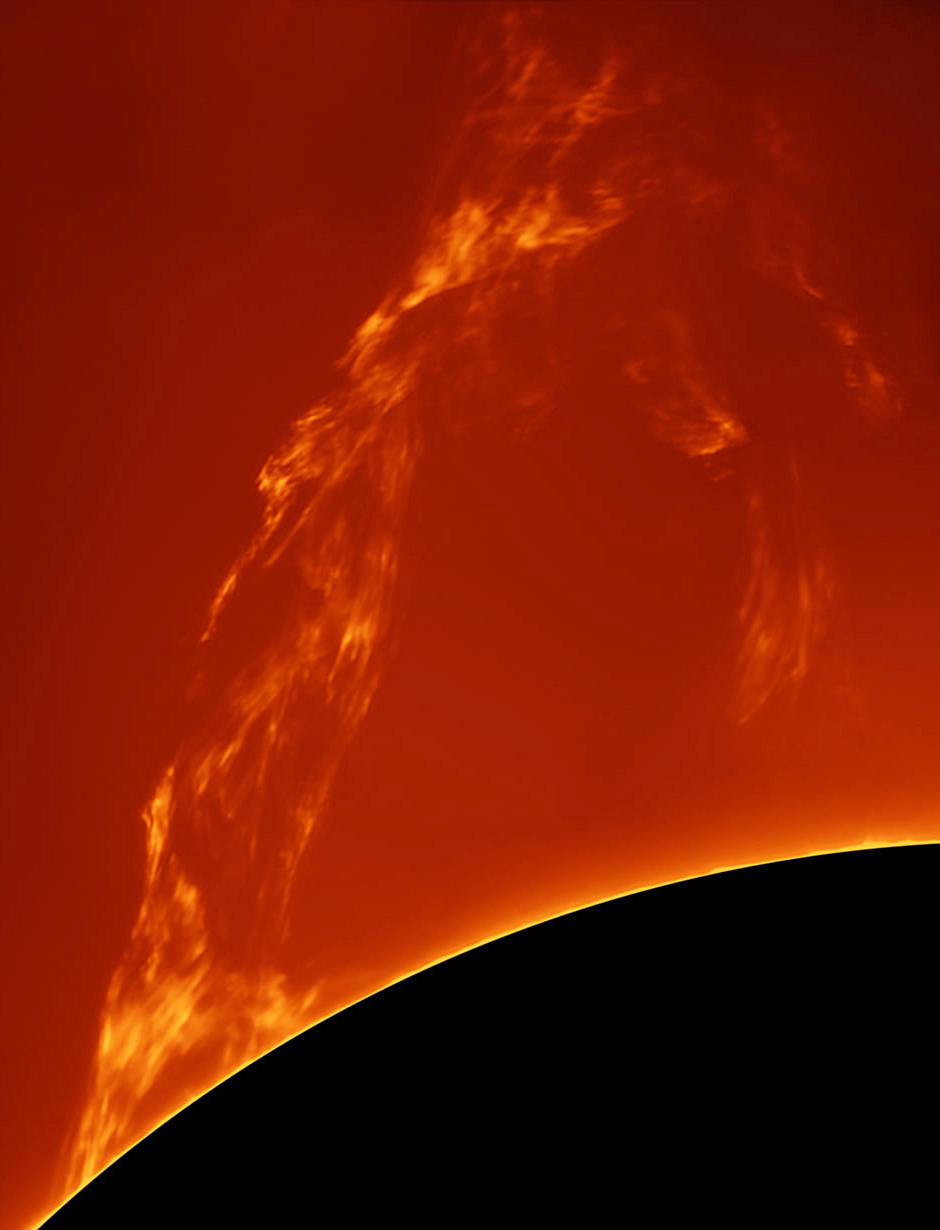
This year’s Insight Astronomy Photographer of the Year competition received a record 2700 entries by astrophotographers from 59 countries around the world. These astonishing pictures reveal fresh perspectives on astrophotography favourites alongside some of the great astronomical events of the last year.
We will showcase the winning images from all 11 categories over the next few days, but if you wish to see them all together on display, the Royal Observatory Greenwich has an exhibition open 18 September 2015 — 26 June 2016. Hours: 10.00–17.00, entry is free.
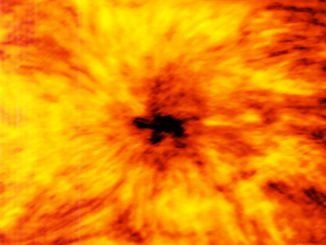
New images taken with the Atacama Large Millimeter/submillimeter Array in Chile have revealed otherwise invisible details of our Sun, including a new view of the dark, contorted centre of a sunspot that is nearly twice the diameter of the Earth.
Our fourteenth nomination from the prestigious Insight Astronomy Photographer of the Year competition, an annual celebration of the most beautiful and spectacular visions of the cosmos by astrophotographers worldwide. The 2015 competition received 2700 spectacular entries from over 60 countries and the winners will be announced 17 September.
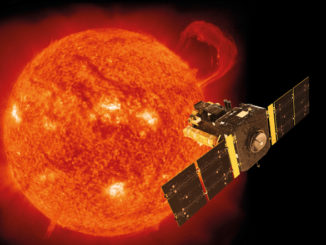
Scientists using the ESA/NASA SOHO solar observatory have found long-sought gravity modes of seismic vibration that imply the Sun’s core is rotating four times faster than its surface.