
1 February 2026
Astronomy Now
  • Home
  • The Magazine
    • About
    • Current Issue
    • Subscribe
    • Renew Subscription
      • September last issue
      • August last issue
      • July last issue
  • AstroFest 2026
  • News
  • Observing
    • UK Sky Chart
    • Almanac
    • Scope Calc
    • DSLR Calc
  • Reviews
    • Equipment
    • Book Reviews
  • Spaceflight Now
  • Shop
  • Contact Us
    • Subscriptions
    • Your Views
    • Ask Astronomy Now
    • Editorial
    • Advertising
    • AstroListings
Latest News
  • [ 26 January 2026 ] Dr Allan Chapman (1946-2026) News
  • [ 16 January 2026 ] Potentially bright ‘sungrazing’ comet discovered News
  • [ 17 December 2025 ] Thank you from the editor News
  • [ 25 October 2025 ] Hubble revisits a cosmic yardstick News
  • [ 21 October 2025 ] Europe’s planet hunting spacecraft complete and ready for final testing News
  • Facebook
  • Twitter
  • LinkedIn

Sadalmelik

Observing

Star-hop your way to viewing planets Uranus and Neptune at their best

23 September 2018 Ade Ashford

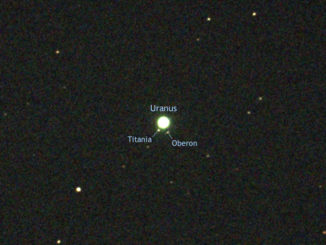
Clear nights of early Northern Hemisphere autumn offer ideal opportunities to track down the two outermost planets of the solar system, Uranus and Neptune. What’s more, you don’t need a big telescope to find them. We show you how to locate these gas giants using binoculars. The Moon also passes close to Neptune on 20 October.

Astronomy Now NewsAlert

Get the latest astronomical news and stargazing tips delivered to your inbox.

News Headlines

  • Dr Allan Chapman (1946-2026)
    26 January 2026
  • Potentially bright ‘sungrazing’ comet discovered
    16 January 2026
  • Thank you from the editor
    17 December 2025
  • Hubble revisits a cosmic yardstick
    25 October 2025
  • Europe’s planet hunting spacecraft complete and ready for final testing
    21 October 2025

© 2019 Pole Star Publications Limited

Astronomy Now