29 March 2026
Astronomy Now
  • Home
  • The Magazine
    • About
    • Current Issue
    • Subscribe
    • Renew Subscription
  • AstroFest 2026
  • News
  • Observing
    • UK Sky Chart
    • Almanac
    • Scope Calc
    • DSLR Calc
  • Reviews
    • Equipment
    • Book Reviews
  • Spaceflight Now
  • Shop
  • Contact Us
    • Subscriptions
    • Your Views
    • Ask Astronomy Now
    • Editorial
    • Advertising
    • AstroListings
Latest News
  • [ 25 March 2026 ] Artificial Intelligence uncovers more than 100 new worlds in NASA data News
  • [ 24 March 2026 ] XRISM solves gamma-Cas’s 50-year X-ray mystery News
  • [ 16 March 2026 ] Molten lava world points to new class of planet Focus on
  • [ 26 January 2026 ] Dr Allan Chapman (1946-2026) News
  • [ 16 January 2026 ] Potentially bright ‘sungrazing’ comet discovered News
  • Facebook
  • Twitter
  • LinkedIn

International Earth Rotation and Reference Systems Service

News

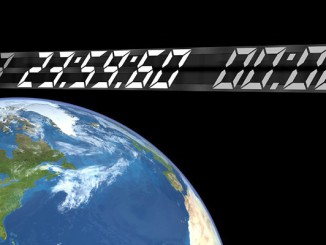
NASA explains why 30 June received an extra ‘leap second’

30 June 2015 Astronomy Now

Although we are unaware of it in our everyday lives, the Earth’s rotation is slowing down, so each mean solar day is about 0.002 seconds longer than the last. NASA explains why Tuesday, 30 June 2015, will have an extra second, or “leap” second, added.

Latest Issue

Astronomy Now Newsletter

Join our mailing list.
* indicates required
Which elements of Astronomy interest you?

News Headlines

  • Artificial Intelligence uncovers more than 100 new worlds in NASA data
    25 March 2026
  • XRISM solves gamma-Cas’s 50-year X-ray mystery
    24 March 2026
  • Molten lava world points to new class of planet
    16 March 2026
  • Dr Allan Chapman (1946-2026)
    26 January 2026
  • Potentially bright ‘sungrazing’ comet discovered
    16 January 2026

© 2019 Pole Star Publications Limited

Astronomy Now